From workplace
to healthcare.
Four sectors. What changes between them is rarely the building — it is who is still using the site while we are on it.
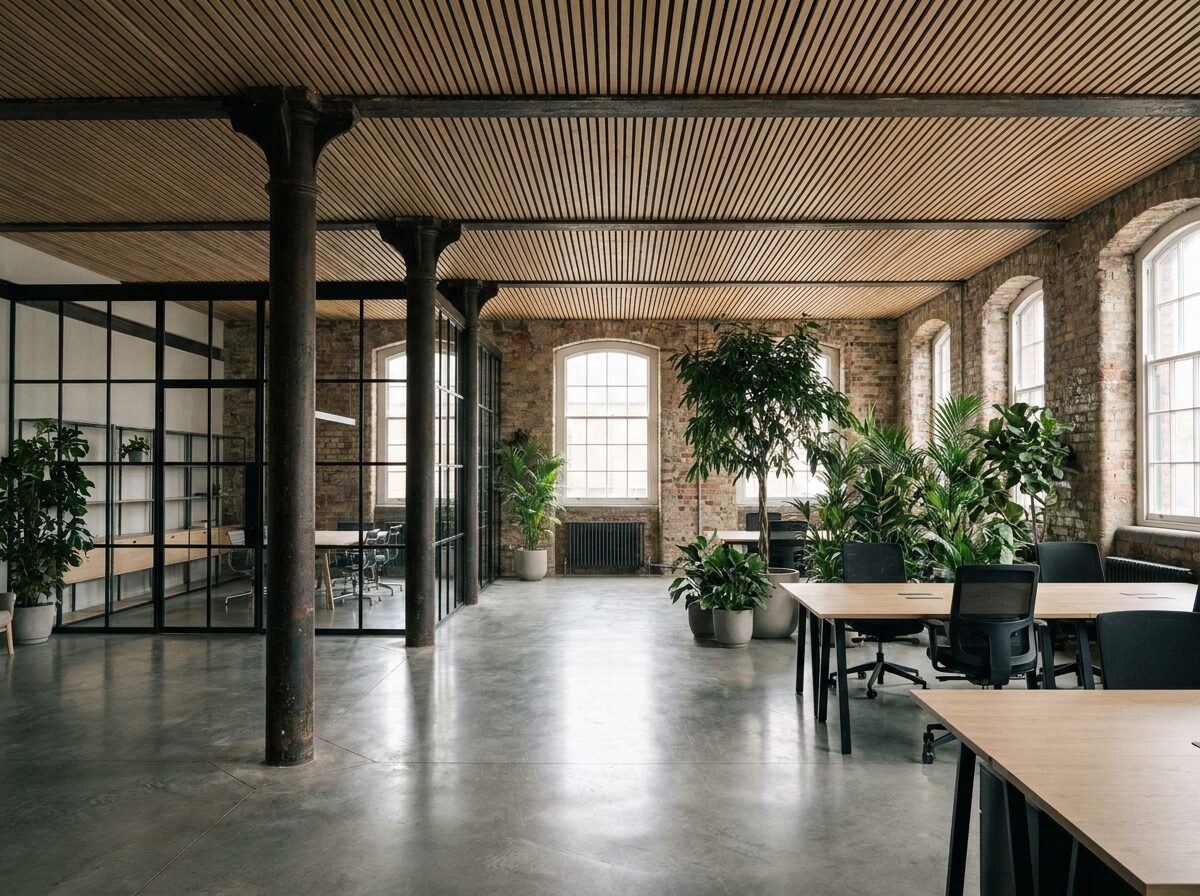 Workplace
Offices, studios and mixed-use, new build and refurbishment. Around 40% of our turnover and most of our listed-building work.
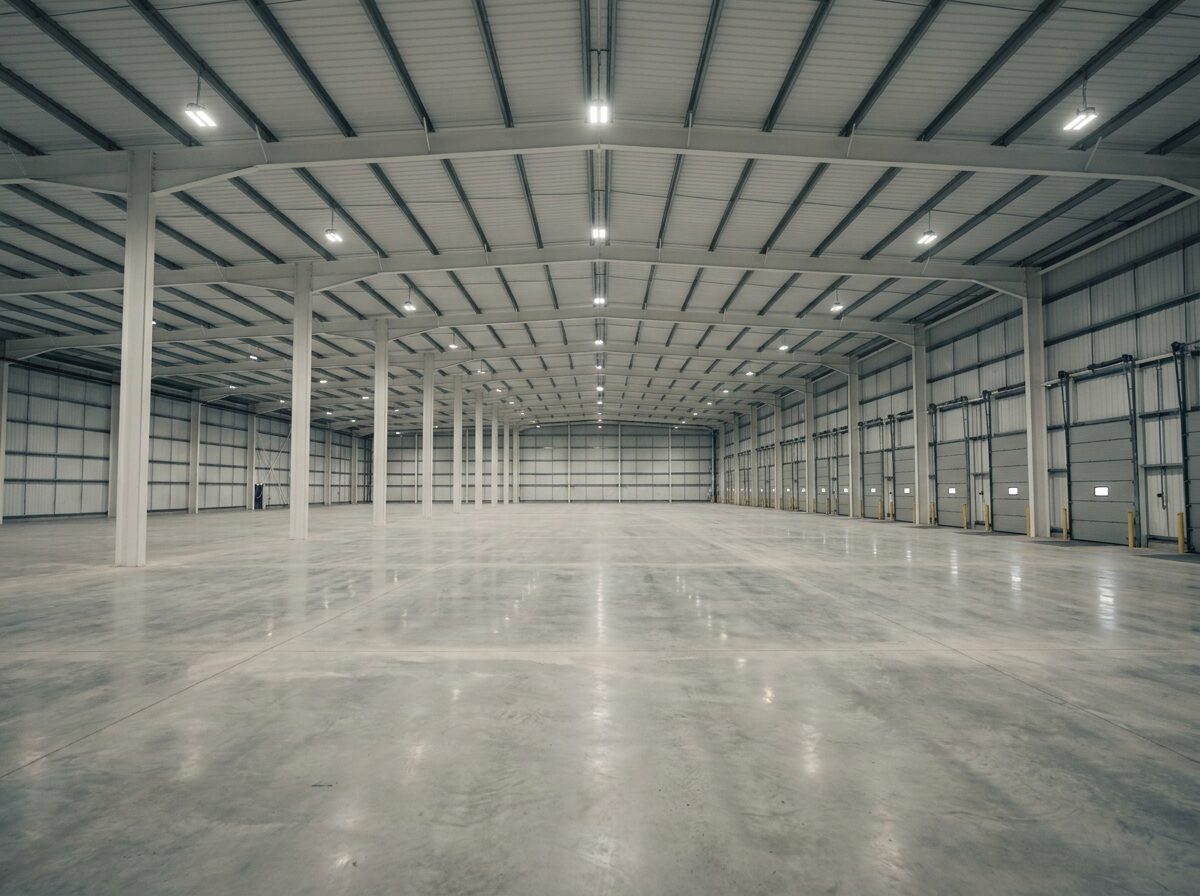
Industrial & Logistics
Distribution, manufacturing and trade counter units from 20,000 to 200,000 sq ft, usually on brownfield ground that needs work first.
Workplace
Offices, studios and mixed-use, new build and refurbishment. Around 40% of our turnover and most of our listed-building work.
Industrial & Logistics
Distribution, manufacturing and trade counter units from 20,000 to 200,000 sq ft, usually on brownfield ground that needs work first.
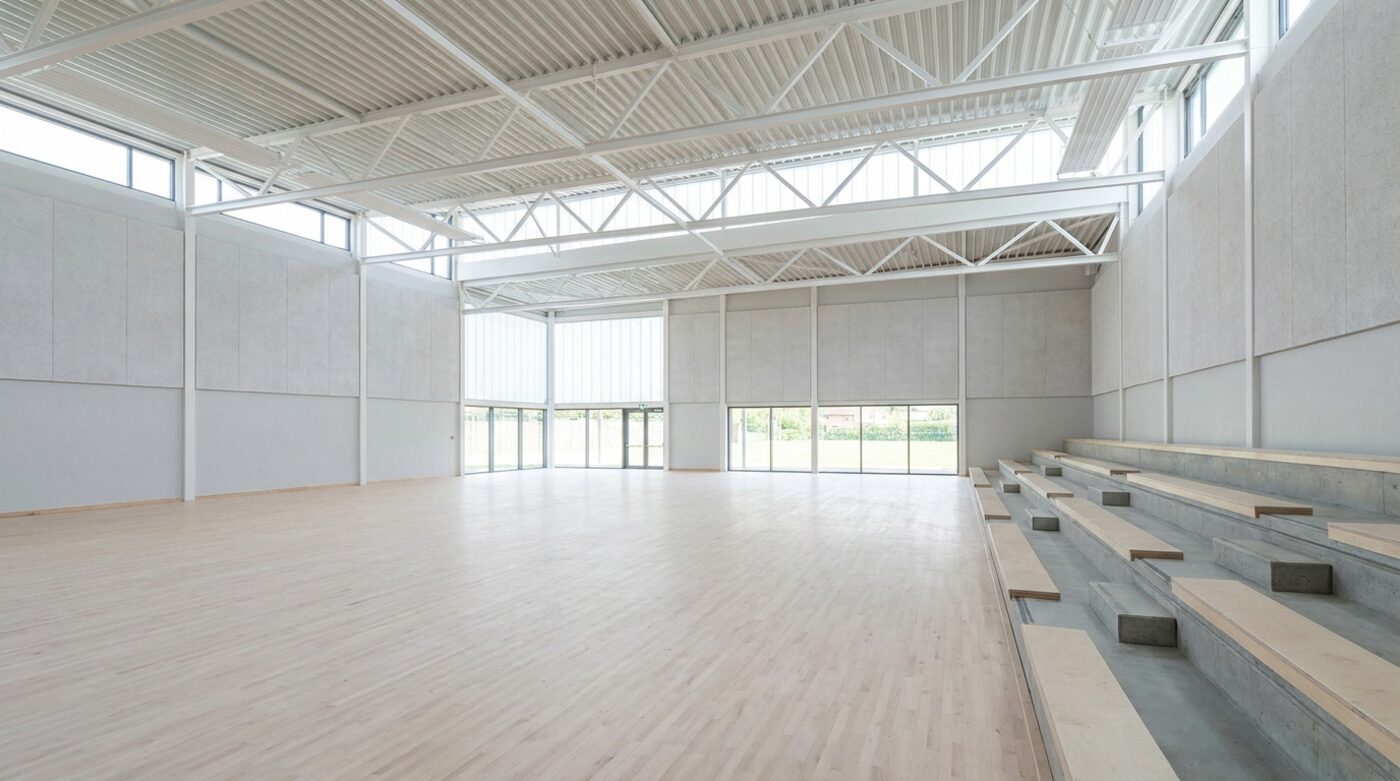 Education
Schools, colleges and university estate, generally on live sites in fixed holiday windows. DBS-checked operatives as standard.
Education
Schools, colleges and university estate, generally on live sites in fixed holiday windows. DBS-checked operatives as standard.
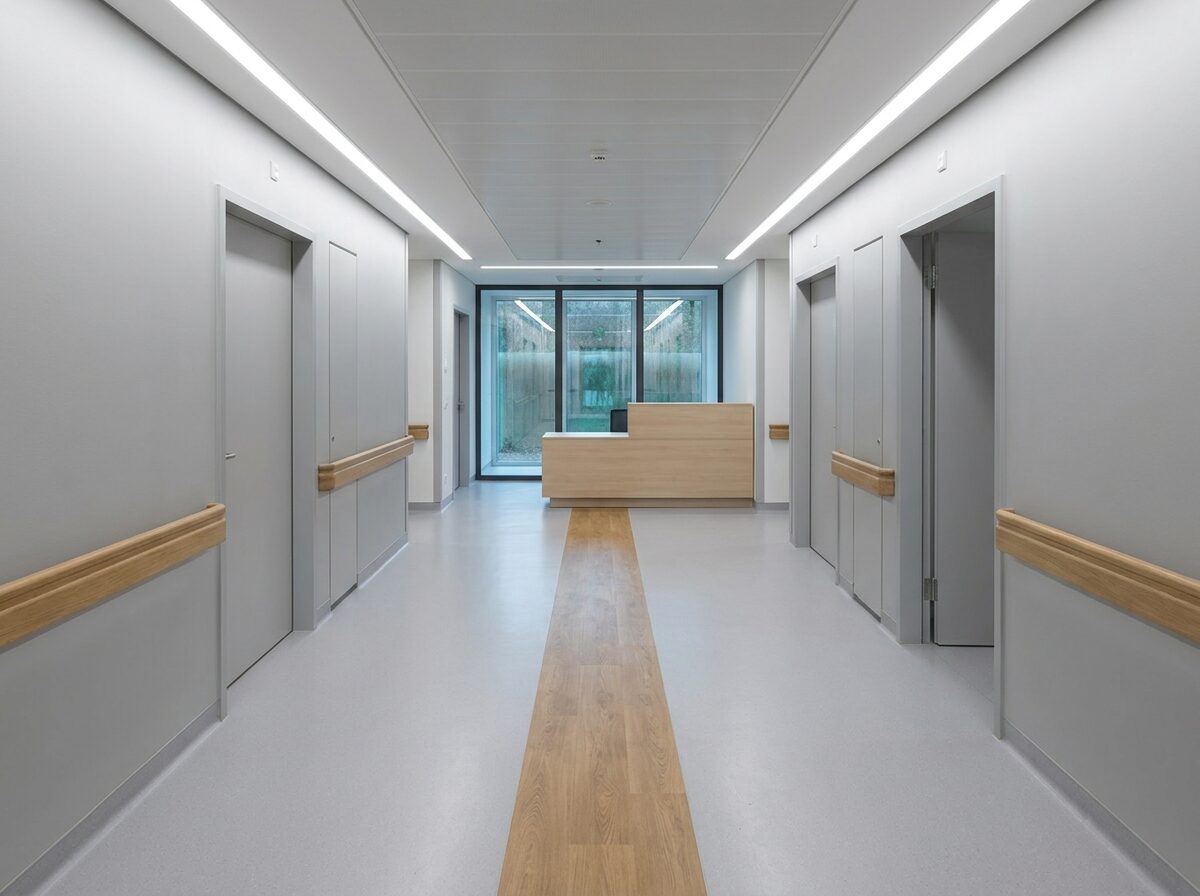 Healthcare
NHS and private, wards, theatres and diagnostics. Infection control, HTM compliance and phased handovers around a running service.
Healthcare
NHS and private, wards, theatres and diagnostics. Infection control, HTM compliance and phased handovers around a running service.
The common factor
Somebody is usually still there.
Three quarters of our work happens on a site that is still in use — a school in term time, a ward with patients in it, two floors of a mill with tenants paying rent. That is the constraint that shapes everything else.
It means the programme is built around other people's days rather than ours, noise and dust limits are written into the contract rather than argued about later, and the site manager spends as much time on liaison as on construction. On Calder Vale Academy we published noise readings weekly; on St Cuthbert's we booked every delivery to a fifteen-minute slot a week ahead.
None of that is complicated. It is just expensive to do badly, and most of the disputes we see on other people's jobs start there.
Building on a live site?
Tell us who else is in the building and when they cannot be disturbed. It shapes the price more than the specification does.